DIAGNOSIS
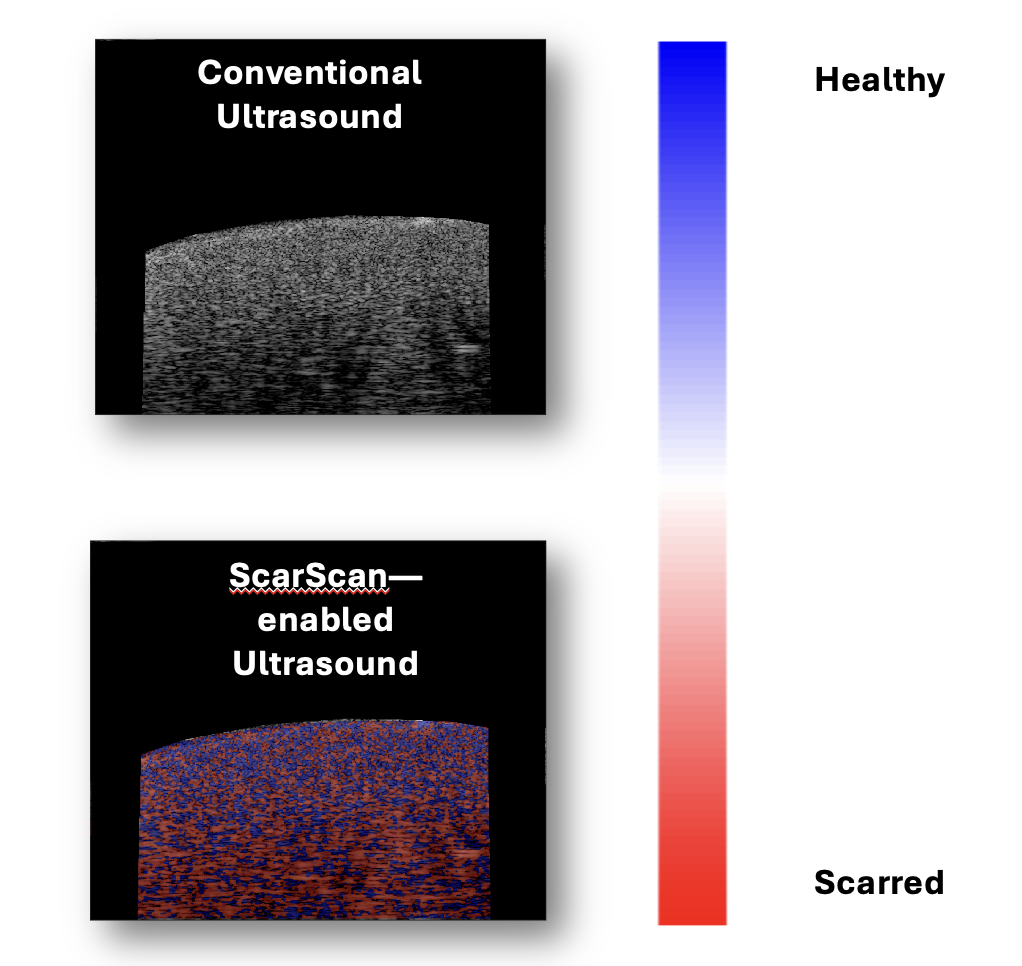
Measuring fibrosis without a biopsy
The Yuen Lab develops non-invasive tools to measure tissue scarring (fibrosis), a major driver of organ failure. Because biopsies are invasive and sample only a small fraction of an organ, they provide an incomplete picture of disease. Our work focuses on imaging the entire organ using advanced ultrasound, MRI, and computational analysis to generate quantitative fibrosis biomarkers. These technologies are designed to improve diagnosis, predict outcomes, and guide clinical decision-making in kidney and lung disease.

DISCOVERY
Uncovering the biology that drives organ injury
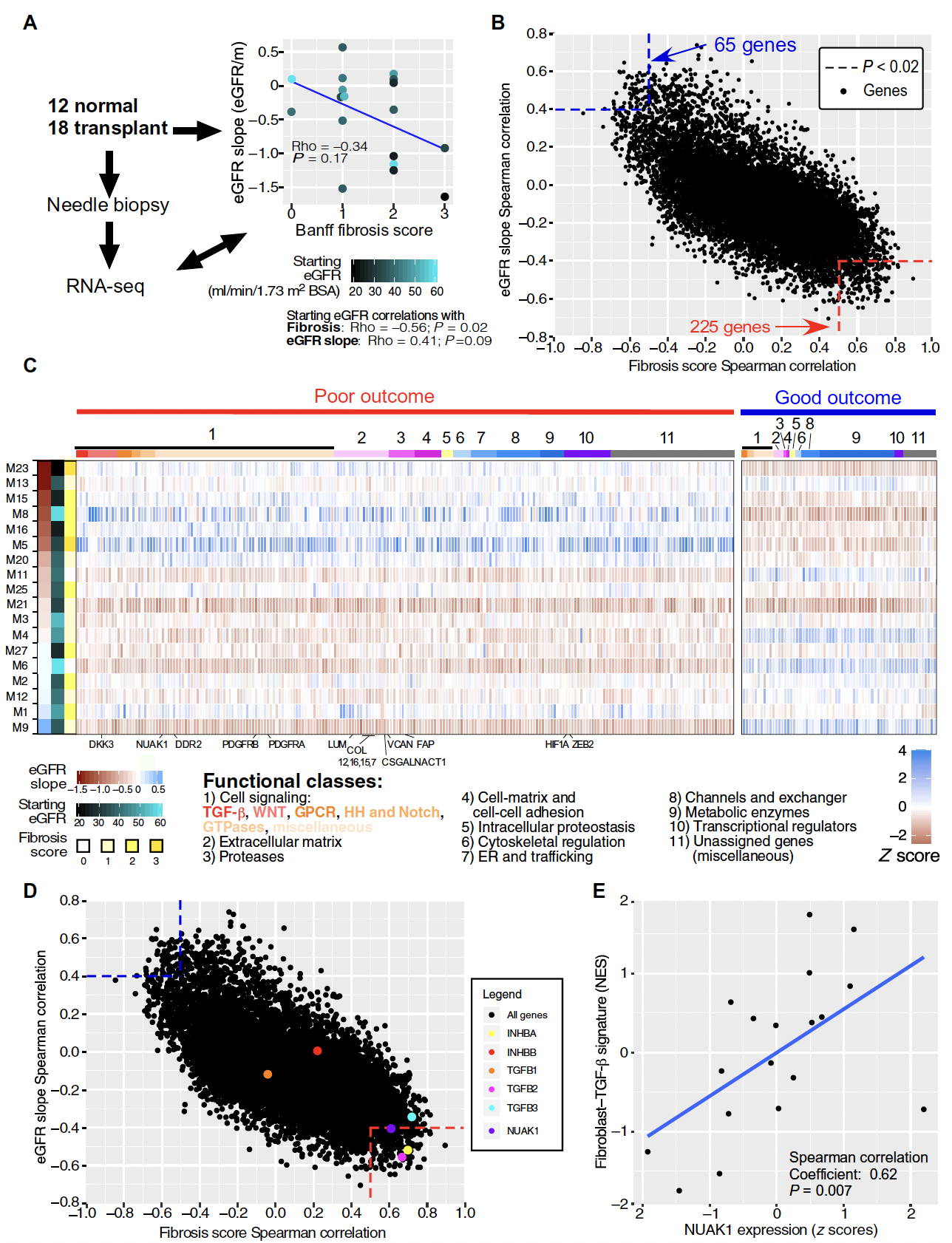
We study how injured tissues transition from repair to permanent scarring. By integrating human biopsies, spatial transcriptomics, and single-cell analyses, we identify the cell types and signaling pathways that drive fibrosis and epithelial injury in the kidney and lung. A major focus of our work is understanding how cells sense mechanical and matrix cues, particularly through YAP/TAZ signaling, and how dysregulation of these pathways leads to pathological epithelial injury and fibroblast activation. These discovery efforts reveal new molecular targets and biomarkers relevant to human disease.
THERAPY
Turning mechanisms into treatments
Our therapeutic program translates biological insight into strategies to reduce fibrosis and promote healthy tissue repair. We test interventions that target transcriptional and mechanosensitive pathways controlling matrix production, degradation, and cellular plasticity. Using cell systems, animal models, and human tissues, we evaluate whether modulating these pathways can slow, halt, or reverse scarring. Our long-term goal is to develop therapies that are biologically precise, clinically actionable, and directly informed by human disease.
In particular, a major new interest of the lab is the balance of matrix production and degradation. Using the lung as our model system, we are now exploring novel regulators of these pathways.
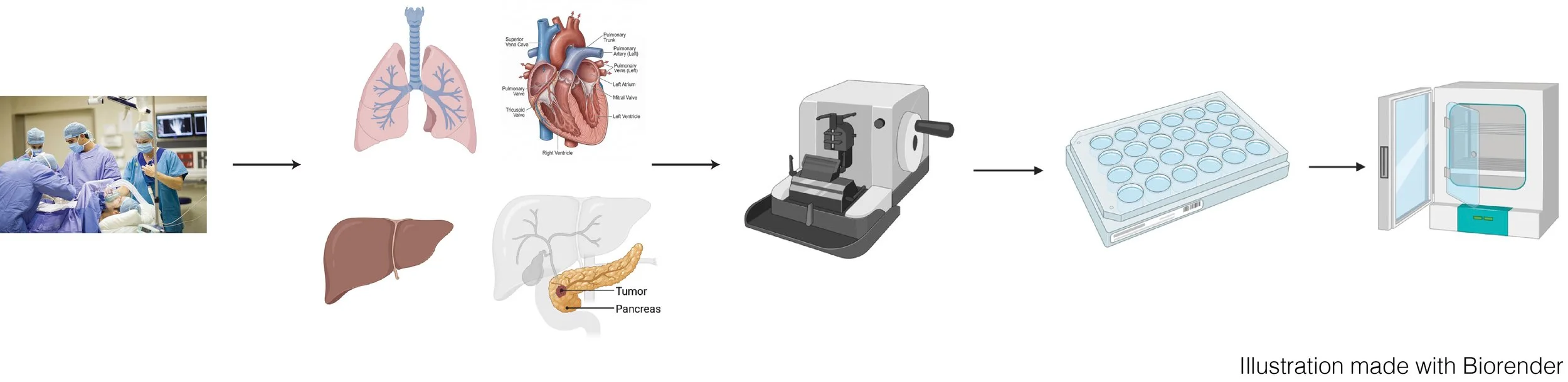
Precision cut human organ slice technology
To accelerate the translation of preclinical therapies to human trials, we have developed a platform for culturing human tissues that would otherwise be discarded to model disease and test new treatments.
We are using this platform to test new anti-fibrotic and anti-cancer treatments.